Is Duel Blackjack rigged? Provably fair, explained
Short version: there's no evidence it's rigged — but "provably fair" doesn't mean what most people think it means. Here's what the math actually proves, and what it doesn't.
So — rigged, or not?
No public evidence shows Duel Blackjack is rigged. Duel's own in-house games run on a provably-fair system, which lets you cryptographically prove a round's outcome was locked in before you bet and not switched afterward. That's a genuinely useful guarantee.
The catch — and it's a big one — is that provably fair is not the same thing as an independent lab certifying the game's payout percentage. One proves a single hand wasn't tampered with. The other proves the game pays back what it advertises over millions of rounds. People constantly mash the two together. They are not the same, and Duel only does one of them.
So the honest answer is: legit in the "rounds aren't being secretly rewritten" sense, with a documented way to check it yourself. Below we show how the dual-seed model works, how to verify a round in about a minute, and exactly where the trust runs out. If you want the rules and format first, start with our explainer on how Duel blackjack works — or watch the "is it legit" debate play out in Duel's Reddit threads.
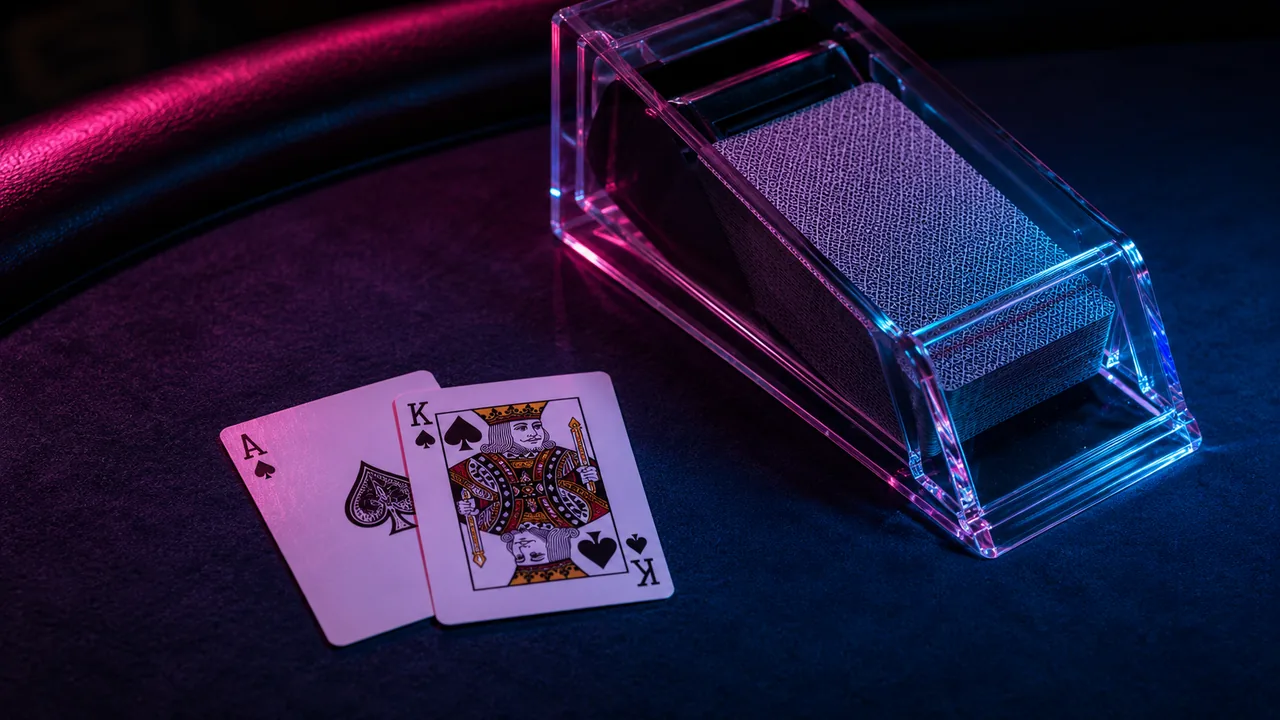
Every round is independently verifiable — illustration.
How the dual-seed model works
Duel's Originals — Dice, Crash, Mines, Plinko and its own in-house Blackjack — use a server seed plus a client seed plus a nonce, hashed with SHA-256. It sounds like alphabet soup, so here's what each piece does and why it matters.
- Server seed (hashed first). Before the round, the casino generates a secret server seed and shows you only its hash — a scrambled fingerprint. Because the hash is published up front, the casino is locked in: it can't change the seed later without the hash failing to match.
- Client seed (your input). You set, or are assigned, a client seed from your own device. Because you contribute a value the casino didn't pick, it can't pre-compute a result that screws you specifically.
- Nonce (the counter). An incrementing nonce ticks up with each bet, so every round produces a different result from the same seed pair. Server seed + client seed + nonce together determine the outcome.
- The reveal. After the round, the casino publishes the original unhashed server seed. You re-hash it and confirm it matches the fingerprint you saw earlier. If it does, nothing was swapped mid-round.
This model is described consistently across operator reviews and provably-fair guides, for example duel.reviews and explainer VegasSlotsOnline. It's the standard crypto-casino setup — Duel didn't invent it, and that's a point in its favour: it's a well-understood, auditable design rather than a homebrew black box.
How to verify a round in about a minute
You don't have to take anyone's word for it — that's the entire point. Here's the check, start to finish:
- Before you bet: open the game's fairness panel and copy the hashed server seed you're shown. Note your client seed and the current nonce.
- Play the round as normal.
- After the round: Duel reveals the original unhashed server seed. Hash that value yourself (any SHA-256 tool works) and confirm it equals the hash you copied earlier.
- Reproduce the result: drop the server seed, client seed and nonce into a provably-fair verifier and check that it spits out the exact outcome you just saw.
If the hash matches and the verifier reproduces your result, that round was provably not manipulated. If the hash doesn't match — that's your red flag, and your screenshot. Independent verifier tools and step-by-step guides exist publicly, e.g. a Duel bet verifier documented by third parties. We're describing the method, not endorsing any one tool — always verify against the seeds shown inside the actual game.
Provably fair is NOT independent RTP certification
This is the line everyone blurs, so we'll be blunt. Provably fair answers one question: "Was this specific round tampered with after I bet?" It does not answer: "Does this game actually pay back what it claims over the long run?"
Duel publishes roughly 99.9% RTP on its Originals — a 0.1% house edge — and advertises some 0% edge (100% RTP) windows running under posted limits. Those numbers are reported across operator reviews such as duel.reviews. But a published RTP is the operator's stated figure. It is not the same as an independent testing lab — the eCOGRA / iTech Labs / GLI tier — running millions of simulated rounds and certifying that the math holds.
So you can have a game that is perfectly provably fair on every single round and still has no third-party certificate confirming its long-run payout. Both things can be true at once. Provably fair builds trust in integrity; it does nothing for certified return. Don't let anyone — including a casino's marketing — sell you the first as if it were the second.
One more boundary worth flagging: the viral live-dealer moments with costumed hosts and surprise guests run on a third-party live-casino studio, not the Originals seed engine. That stream is governed by the studio's own RNG testing and the casino's licence — the seed verifier above doesn't apply to it.
The licence question: reports conflict
Here's where we have to be careful, because the sources don't agree. Duel.com claims a gaming licence — but the stated jurisdiction is reported inconsistently:
- Some sources, including a Wikipedia entry and various reviews, list an Anjouan (Union of the Comoros) licence, with a specific licence number attributed to operator "Immortal Snail LLC".
- Other listings — and references tied to Duel's own materials — cite Curaçao, the more familiar crypto-casino jurisdiction.
We're not going to pick one and call it fact when the public record contradicts itself. What we'll say plainly: Duel asserts it is licensed, the reports conflict on which regulator, and an Anjouan or Curaçao licence is widely considered a light-touch standard rather than a UKGC/MGA-grade one. Before you deposit, read the licence number and jurisdiction in Duel.com's own footer and confirm it against the named regulator's register. If you want our fuller take on the operator, see the Duel.com review; for how it stacks up against a bigger name, Duel vs Stake covers it.
Is Duel Blackjack rigged? FAQ
Is Duel Blackjack rigged?
No public evidence says so. Duel's Originals use a provably-fair system that lets you prove a round's outcome was set before you bet and not altered after. That covers integrity — it is not a third-party RTP certificate, and it doesn't cover the live-dealer stream, which runs on an outside studio.
Is Duel Blackjack legit?
Duel.com is a real, operating crypto casino that states it holds a gaming licence. The jurisdiction is reported inconsistently — some sources say Anjouan (Comoros), others Curaçao — so verify the licence number and regulator in Duel's own footer before depositing.
What does "provably fair" actually prove?
That a specific round was determined before your bet and not changed afterward. The server seed is hashed up front, you add a client seed, a nonce shapes each result, and the server seed is revealed after so you can recompute and confirm. It does not prove the advertised RTP.
Is provably fair the same as RTP certification?
No. Provably fair is a per-round check you run yourself. RTP certification is an independent lab (eCOGRA, iTech Labs, GLI) auditing millions of rounds and signing off on the long-run payout. Duel publishes ~99.9% RTP and some 100% RTP windows, but a published figure is the operator's claim, not an audit.
How do I verify a Duel Originals round myself?
Copy the hashed server seed before betting, note your client seed and nonce, play, then re-hash the revealed server seed to confirm it matches and run all three values through a provably-fair verifier to reproduce the outcome. If everything matches, that round wasn't manipulated. Full steps are in how Duel blackjack works.
Does the seed check cover the viral live blackjack stream?
Not directly. The seed-and-nonce model covers Duel's own Originals. The costumed live-dealer broadcast typically runs on a third-party live-casino studio, governed by that studio's RNG testing and the casino's licence rather than the verifier.
Keep reading
How Duel Blackjack Works
The rules, the crypto rails, and the seed model in full.
Read the explainerDuel.com Review
The casino behind the table — licence, rails, and the catch.
Read the reviewThe Controversy Tracker
Every line crossed at the felt, documented with sources.
See the receiptsRakeback & The Offer
What 50% rakeback and 0% edge windows really cost you.
Run the numbersDuel vs Stake
How the chaos table compares to the crypto-casino giant.
The comparisonThe Moments Timeline
Every documented viral moment, sortable and sourced.
Open the timeline